
Have Heart Failure? Here Are 5 Signs You're Retaining Fluid
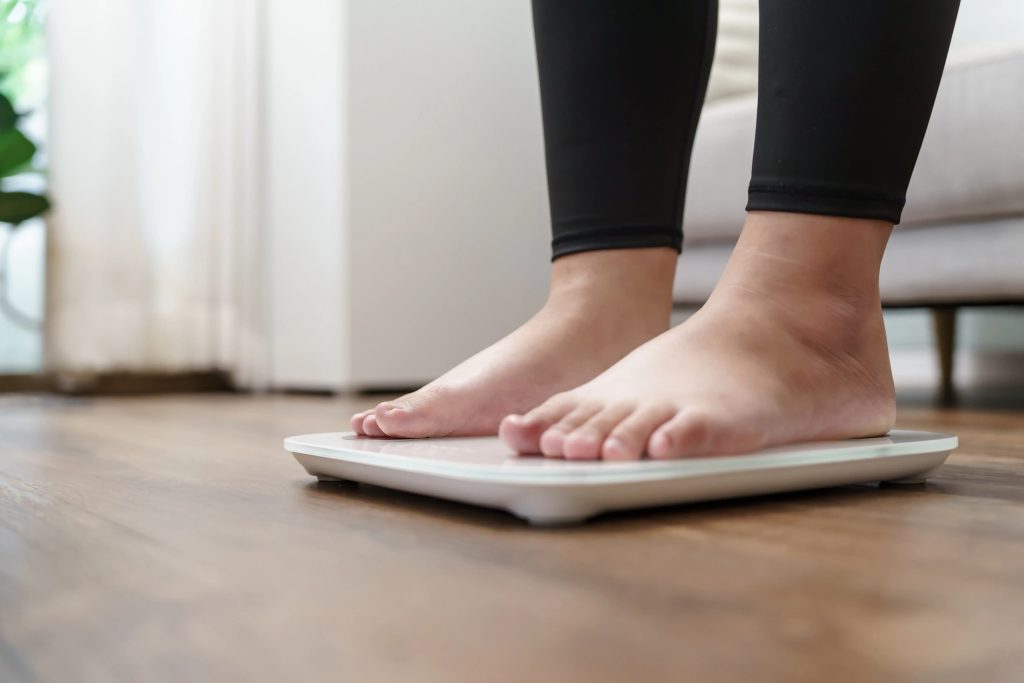
If your shoes feel tighter lately or the number on the scale keeps creeping up, it may be a sign that your body is holding on to extra fluid. Fluid retention, also called edema, can happen for many reasons, such as eating too much salt, sitting for long periods or taking certain medications. But if you have heart failure, it may also occur because your heart isn’t pumping as well as it should.
If you notice these signs of fluid retention, it’s best to talk to your doctor so you can adjust your treatment, if necessary, before the problem becomes more serious:
- You gain weight quickly. One of the earliest signs of fluid retention is rapid weight gain. This isn’t the kind of weight gain that happens over weeks or months. Instead, you may gain two or three pounds in a day or five pounds in a week. If you have heart failure, your doctor may ask you to weigh yourself every morning, keep a record of your weight and let them know if there’s a sudden increase.
- Your feet, ankles or legs are swollen. Swelling in the lower legs, ankles or feet is a common sign of fluid retention. You may notice your socks leave deep marks on your skin or your shoes feel tighter than usual. The swelling may get worse throughout the day, especially if you’ve been standing or sitting for a long time.
- You feel bloated. Fluid can also build up in your abdomen, making your stomach feel bloated, tight or swollen. Some people notice their clothes fit differently or they feel full after eating only a small amount. This type of swelling should always be discussed with your doctor, especially if it happens along with other symptoms.
- You’re short of breath. Extra fluid can build up in the lungs, making it harder to breathe. You may feel more winded during everyday activities, have trouble climbing stairs or be short of breath when lying flat in bed. Some people wake up during the night feeling like they can’t catch their breath. These symptoms should never be ignored.
- You feel more tired than usual. When your body is retaining extra fluid, your heart has to work harder. As a result, you may feel very tired or find it difficult to do activities that were once easy. While fatigue has many possible causes, it’s worth mentioning to your doctor if it occurs along with swelling or weight gain.
Tips for Managing Fluid Retention
If you have heart failure or are at risk of it, here are some things you can do to help keep fluid build-up under control:
- Limit sodium as recommended by your healthcare provider.
- Take your medications as prescribed.
- Don’t stop taking a diuretic (water pill) without talking to your doctor first.
- Stay active if your doctor says it’s safe.
- Keep all follow-up appointments so your treatment plan can be adjusted if needed.
If you notice rapid weight gain, increasing swelling, worsening shortness of breath or any other new or worsening symptoms, contact your doctor. These changes may mean your treatment needs to be adjusted. If you have severe trouble breathing, chest pain, fainting or confusion, call 911 or have someone take you to the hospital for emergency medical treatment.
Copyright 2024-2025 © Baldwin Publishing, Inc.. Health eCooks® Heart Healthy Recipes® is a registered trademark of Baldwin Publishing, Inc. Any duplication or distribution of the information contained herein without the express approval of Baldwin Publishing, Inc. is strictly prohibited.