
Transcatheter Mitral Valve Replacement (TMVR)
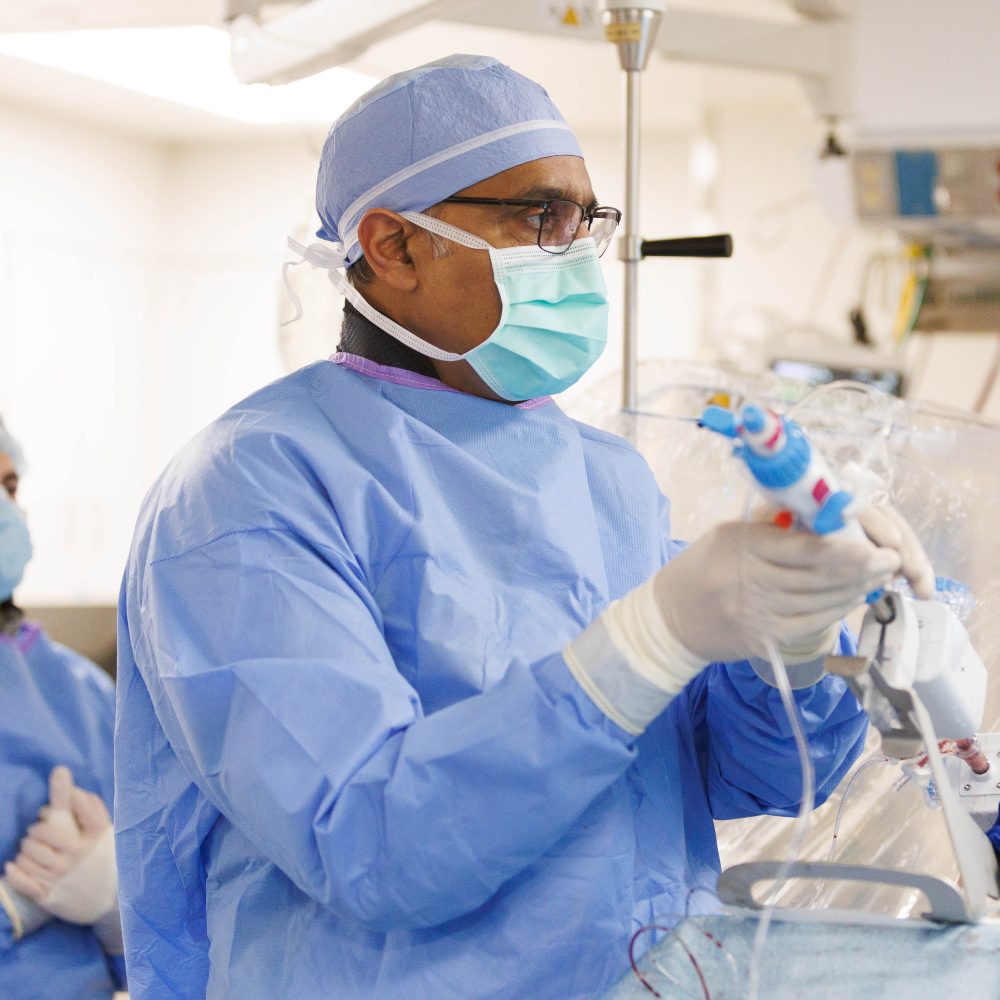 Transcatheter Mitral Valve Replacement (TMVR) is a minimally invasive procedure used to replace a damaged mitral valve without traditional open-heart surgery. Using a thin catheter, a new valve is guided into the heart to restore healthy blood flow and improve symptoms such as shortness of breath, fatigue, and swelling.
At Deborah Heart and Lung Center, TMVR is part of an advanced structural heart program focused on innovative, patient-centered care.
How does it work?
TMVR replaces the diseased mitral valve using a catheter-based approach rather than opening the chest and stopping the heart. During the procedure, the interventional cardiologist guides a replacement valve through the blood vessels and into the heart using advanced imaging technology for precise placement.
Once positioned within the damaged mitral valve, the new valve expands and begins regulating blood flow immediately. The replacement valve is designed to improve blood circulation, reduce symptoms, and help the heart function more efficiently.
Am I a good candidate for treatment?
TMVR may be an option for patients with severe mitral valve disease who are experiencing symptoms that interfere with daily life. Candidates are often individuals who are considered high risk for open-heart surgery due to age, prior heart procedures, or other medical conditions.
You may be a candidate if you have:
- Severe mitral regurgitation (a leaking mitral valve)
- Degeneration of a previously implanted mitral valve
- Symptoms such as fatigue, shortness of breath, dizziness, or swelling
- Heart failure related to mitral valve disease
- Been told you are not an ideal candidate for traditional surgery
At Deborah, every patient undergoes a comprehensive evaluation by a multidisciplinary structural heart team that may include interventional cardiologists, cardiac surgeons, imaging specialists, and heart failure experts. Advanced imaging and diagnostic testing help determine the safest and most effective treatment plan for your individual condition.
What can I expect after treatment?
Before TMVR, patients undergo advanced imaging and diagnostic testing. The procedure is performed using anesthesia or sedation in a specialized cardiac suite.
Most patients spend a short time in the hospital and recover more quickly than with traditional surgery. Many notice improved breathing, energy, and quality of life within weeks.